Commercial Water Pumps
Booster & Delivery Pumps for RO Systems
High-Performance Water Pumps for Reverse Osmosis and Water Transfer Applications
AMPAC Water Systems supplies a reliable range of commercial water pumps, including booster pumps and delivery pumps, designed for continuous operation in reverse osmosis (RO), water transfer, pressure boosting, and distribution systems. Whether you're increasing feed pressure or delivering purified water, our pumps are engineered for efficiency, pressure stability, and long-term durability.
We stock stainless steel multi-stage pumps by trusted manufacturers like Goulds, ideal for residential complexes, hotels, water bottling units, and commercial filtration systems.
How to Choose the Right Commercial Water Pump
Picking the right pump comes down to matching it to your system. Get this wrong, and you risk low output, motor strain, or a shortened pump life.
Start with your system's flow rate. Commercial RO systems typically run in the 100 to 8,000 GPD range. Industrial systems run higher, from 6,000 up to 100,000 GPD. The bigger the system, the more pressure and volume the pump needs to deliver.
Next, check motor horsepower. A 1 HP pump handles many small to mid-size commercial RO setups. Higher-volume systems need 1.5 HP or more to keep pressure stable under load.
Voltage matters too. Most AMPAC booster and delivery pumps run on 110/220V or 115-230V, so they work with standard commercial electrical service in most buildings.
Finally, think about duty cycle. Pumps that run continuously need a motor built for constant-duty operation, not intermittent use. That's why our booster pumps use continuous-duty motors with built-in thermal overload protection — they're built to run all day without overheating.
Booster Pumps
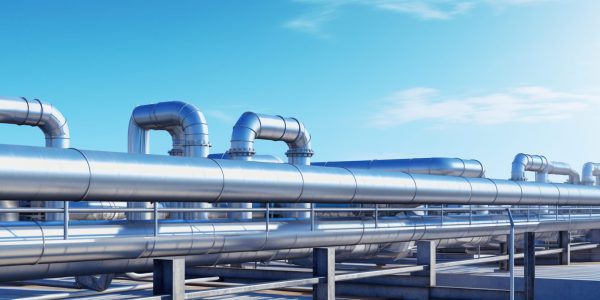
Booster pumps are designed to increase incoming feed water pressure, especially for reverse osmosis membranes that require minimum operating pressures for effective filtration. Ideal for commercial RO systems and high-pressure water applications.
| Model No. | Motor HP | Voltage | Type | Application Use | Product |
|---|---|---|---|---|---|
| 7GBC1014R0 | 1 HP | 110/220 V | Booster Pump | Feeds water into commercial RO systems | View Product |
| 10GBC1514Q0 | 1.5 HP | 110/220 V | Booster Pump | High-volume RO and pressure-demand systems | View Product |
Booster Pump Features
AMPAC booster pumps are engineered for high-performance water pressure boosting in reverse osmosis (RO) and commercial water transfer systems. Built for durability and continuous operation.
Delivery Pumps
Delivery pumps are used to transfer purified water from storage tanks to end-use points such as dispensers, bottling stations, and water vending machines. These pumps ensure consistent flow rates and are engineered for efficient water distribution.
| Model No. | Motor HP | Voltage | Type | Application Use | Product |
|---|---|---|---|---|---|
| LB1012TE | 1 HP | 115-230 V | Delivery Pump | Transfers filtered water to taps, tanks, or bottling lines | View Product |
Delivery Pump Features
AMPAC delivery pumps are designed for smooth post-RO water distribution, ensuring reliable water transfer for commercial applications such as bottling, vending, and multi-floor pipeline systems.
Applications of Commercial Water Pumps
| Application Area | Booster Pump Use Case | Delivery Pump Use Case |
|---|---|---|
| Reverse Osmosis Systems | Provides required feed pressure to RO membranes | Transfers clean water to dispensing points |
| Water Bottling Plants | Maintains pressure for production line consistency | Delivers filtered water into bottling machines |
| Hospitals & Hotels | Stabilizes input for centralized water filtration | Distributes water across multiple floors |
| Water Vending Machines | Ensures high inlet pressure for purification | Pushes clean water to front-end taps |
| Agriculture & Irrigation | Maintains water flow from wells to RO systems | Feeds purified water to storage or fields |
Booster Pumps vs. Delivery Pumps: What's the Difference?
Booster pumps and delivery pumps do different jobs in a water system, even though the terms sometimes get used interchangeably.
A booster pump sits before the RO membrane. Its job is to raise incoming feed-water pressure to the level the membrane needs. Without enough pressure, an RO system can't hit its rated recovery rate, and output drops.
A delivery pump sits after the RO membrane. Its job is to move already-purified water from storage tanks to where it's used — a tap, a bottling line, a vending machine, or an upper floor of a building.
In short: booster pumps push water into the system, delivery pumps push water out to the end user. Most commercial RO setups need both.
A Few Notes on Installation and Upkeep
Pumps last longer when they're sized correctly the first time. Oversizing wastes energy. Undersizing causes cavitation and premature wear.
Check inlet strainers and seals on a regular schedule. Stainless steel housings resist corrosion, but seals and bearings are still wear items on any pump.
Not sure which pump fits your setup? Our team can help size one based on your system's flow rate and pressure requirements — reach out before you order.
FAQs - Commercial Water Pumps
Q1. How do I size a commercial water pump for my RO system?
Size a booster pump to the RO system's required feed pressure and flow rate - check the membrane manufacturer's minimum feed pressure spec, then size the pump to deliver that pressure at your actual incoming supply pressure and peak flow demand, not just average daily use.
Q2. How do I choose the right horsepower for a booster pump?
Horsepower depends on the flow rate (GPM) and pressure boost (PSI differential) needed - a larger RO system or greater pressure deficit requires more HP. Undersizing starves the membrane of pressure; oversizing wastes energy and can stress downstream components, so match HP to the system's actual duty point rather than rounding up by default.
Q3. How often do commercial water pumps need maintenance?
Check seals, pressure switches, and motor performance every 3-6 months in continuous-duty commercial settings, and inspect sooner if you notice pressure fluctuations, unusual noise, or reduced output - these are early signs of wear or impeller fouling.
Q4. What's the difference between a booster pump and a delivery pump?
A booster pump increases feed pressure going into the RO membrane so it can produce water efficiently. A delivery pump moves already-treated product water from a storage tank to the point of use, which is a separate, lower-pressure task.
Why Choose AMPAC Water Systems for Pumps?
Need Help Choosing the Right Pump?
Whether you're setting up a new RO system or upgrading your flow output, our experts can recommend the ideal booster or delivery pump for your application.
Request a Quote