
An alkaline water filter system raises your tap water’s pH above 7. That is the whole idea. Standard municipal tap water in the US typically falls between pH 6.5 and 8.5 – already within the EPA drinking water range. Many households still want water that sits consistently at pH 8 to 9.5. A dedicated home alkaline water filter delivers that on every glass, without buying bottled water.
This guide covers how alkaline water filtration works, what types of systems are available, what to look for when comparing options, and which AMPAC filters are built for residential use. It also looks at why reverse osmosis systems and alkaline treatment work best paired together, not as separate purchases.
What is alkaline water filtration?
There are two ways to make water alkaline. The first is remineralization: adding calcium, magnesium, and potassium-rich media to filtered water after it passes through a membrane. The second is electrolysis. A water ionizer splits the water into alkaline and acidic streams using an electrical charge.
Remineralization is simpler. It needs no electricity and costs less to maintain. That is why it dominates residential RO system upgrades.
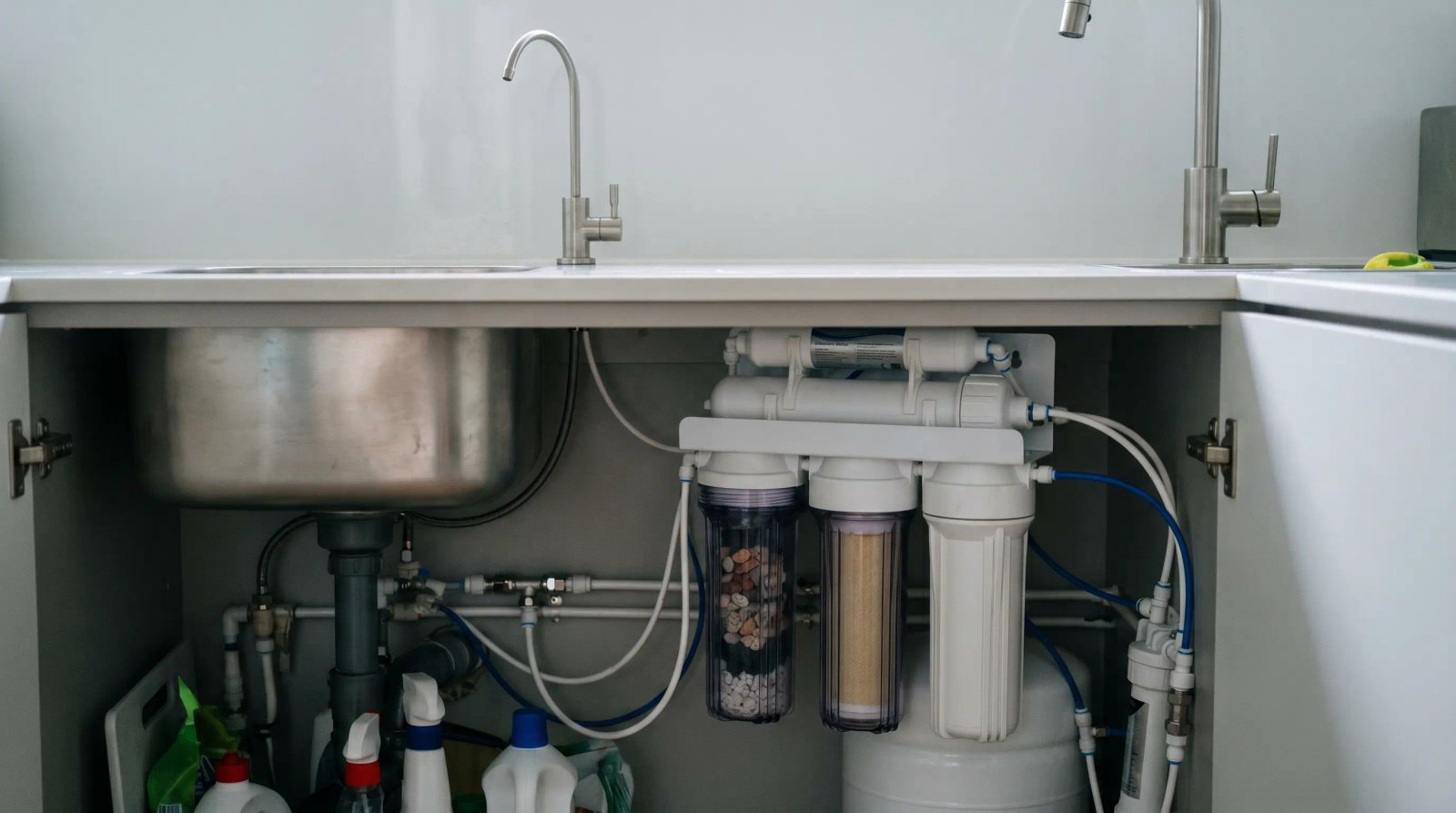
In a standard 5-stage or 6-stage residential RO system, the alkaline filter sits at the final stage, after the membrane and the post-carbon polishing filter. Here is the problem it solves: reverse osmosis strips out nearly all dissolved minerals, which leaves RO water slightly acidic. The alkaline cartridge re-introduces beneficial minerals and brings the pH back into range. One filter, two problems fixed – the RO filtered water gets both its minerals and its target pH back before it reaches your glass.
Types of home alkaline water filter systems
| Type | Typical pH Range | Install Complexity | Best For |
|---|---|---|---|
| Under-sink RO with alkaline stage | 8.0 – 9.5 | Professional install recommended (drain and supply line tie-in) | Households wanting full contaminant removal plus mineralized, pH-balanced water at the tap |
| Inline alkaline filter | 7.5 – 9.0 | DIY, minutes (quick-connect tubing) | Upgrading an existing RO or filtration system without replacing it |
| Countertop pitcher with alkaline filter | 7.5 – 9.0 | None – no plumbing required | Renters or anyone wanting alkaline water without any installation |
Under-sink RO systems with an alkaline stage
An under-sink RO system with an alkaline post-filter is what most residential buyers end up with. The system treats water in stages: sediment, carbon, membrane, post-carbon, then remineralization. It delivers mineralized water at pH 8.0 to 9.5 directly from the tap. No bottles, no countertop clutter.
For whole-house coverage — alkaline water at every faucet, not just the kitchen — see our guide on whole house alkaline water systems: how calcite remineralization stages work, sizing for your home’s flow rate, and what the science actually says about the health claims.
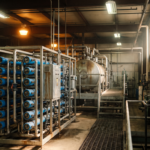
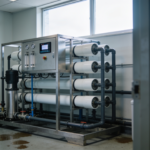
AMPAC’s Alkaline Water Reverse Osmosis AP3000-LX-ALK is built around this configuration. It uses a commercial-grade RO membrane paired with a dedicated alkaline stage, producing up to 300 gallons per day of mineralized water at the point of use.
Inline alkaline filters
Already have an RO water system but want to add an alkaline stage without replacing the whole unit? An inline filter connects directly to the output line. It installs in minutes on standard 1/4-inch quick-connect tubing and works with any brand of residential RO system.
AMPAC’s Inline Alkaline Filter is the straightforward way to upgrade an existing setup without starting over.
Alkaline replacement cartridges
If your system already has an alkaline housing, you just need the cartridge. The media inside is typically calcium carbonate, magnesium oxide, and trace mineral compounds. It slowly dissolves into the filtered water as it passes through. Cartridges come in 10-inch and 20-inch lengths to match your housing.
AMPAC makes both: the Alkaline Water Filter 4″ x 10″ and the Alkaline Water Filter 4″ x 20″. Both are formulated to raise pH consistently through the full cartridge life without releasing enough calcium to cause scaling.
Key benefits of an alkaline water filter for home
Taste is what most people notice first. Water that goes through a remineralization stage tastes noticeably different from standard RO output – smoother, less flat, closer to what people describe as natural spring water. That is not marketing language. RO water without remineralization can taste “empty,” with a slightly harsh mouthfeel. The mineral content the alkaline stage adds changes that directly. Many people who switch to drinking alkaline water day to day say this is the difference they notice first.
There is also a practical benefit in older homes. Mildly alkaline water is less chemically aggressive than acidic water and less likely to leach metals from copper or brass plumbing. If your pipes are old, that matters.
What to look for when choosing an alkaline water filtration system
pH range and consistency
The cartridge should consistently hit pH 8.0 to 9.5 throughout its service life. Claims above pH 10 are worth scrutinizing. Water that alkaline has a soapy taste, and there is no documented health benefit that justifies going that high.
Mineral content
Calcium, magnesium, and potassium are the minerals that matter. If a cartridge only lists “mineral blend” without specifying what is in it, look elsewhere. You should know what your filter is putting into your water.
NSF/ANSI certification
NSF/ANSI 42 or 61 certification confirms that the filter components will not introduce harmful substances. Do not skip this criterion.
Replacement interval
Most alkaline cartridges last 6 to 12 months, depending on water volume and source water chemistry. A neglected alkaline stage stops raising pH. Past its service life, it may pass depleted media into the output. Budget for annual replacement and it stays a non-issue.
Why reverse osmosis systems and alkaline treatment work better together
Reverse osmosis removes virtually all dissolved contaminants: chlorine, chloramines, heavy metals, nitrates, fluoride, and total dissolved solids. It also strips out beneficial minerals and lowers pH. An alkaline post-filter is what alkaline water treatment adds back – it addresses both of those trade-offs in one step.
For households dealing with high TDS, chloramine disinfection, or aging infrastructure with lead concerns, a full RO-plus-alkaline system is the most complete residential water treatment option available without stepping up to commercial equipment.
AMPAC alkaline water filter products
AMPAC stocks alkaline filtration for residential and light commercial use: complete RO systems with an alkaline stage, inline upgrade filters, and replacement cartridges in standard sizes. Pick by what you already own.
| Product | Code | Use it when |
|---|---|---|
| AMPAC RO5 alkaline RO system | ALK-RO5 | You want a complete under-sink system with the alkaline stage built in |
| Alkaline Water RO AP3000-LX-ALK | – | Water store or light commercial volumes rather than one household |
| Inline alkaline filter | APC-ALKALINE | You already have an RO system and want to add alkaline without replacing it |
| 10″ alkaline cartridge | APC-ALKALINE | Replacing the alkaline stage in a standard 10-inch housing |
| Alkaline cartridge 4″ × 10″ | APC-10BBALK | Big Blue housing, 10-inch length |
| Alkaline cartridge 4″ × 20″ | APC-20BBALK | Big Blue housing, 20-inch length, higher flow |
| AP5K-ALK replacement kit | AP5K-ALK | Annual service on a 5-stage RO system with an alkaline filter |
Not sure which cartridge your system takes? Read the size off the old one: length, diameter, and whether the ends are open or closed. For whole-building coverage rather than one tap, see whole house alkaline water systems. For the systems these cartridges go into, see residential RO systems.
One local note: hard water shortens the life of any cartridge stage. On the Wasatch Front, supply water runs 10 to 18 grains per gallon, which is very hard, so replacement intervals land at the shorter end of the range. See water treatment in Utah.
Frequently Asked Questions
What pH should an alkaline water filter produce?
Typically 8.0 to 9.5. Claims above pH 10 are worth scrutinizing – that alkaline tastes soapy and there’s no documented health benefit to going higher.
How does remineralization differ from a water ionizer?
Remineralization adds mineral-rich media to filtered water and needs no electricity. A water ionizer uses electrolysis to split water into alkaline and acidic streams, which costs more to maintain.
How often do alkaline cartridges need replacing?
Every 6 to 12 months, depending on water volume and source water chemistry. A depleted cartridge stops raising pH and may pass spent media into the output.
What’s AMPAC’s alkaline RO system for residential use?
The Alkaline Water Reverse Osmosis AP3000-LX-ALK, a commercial-grade membrane paired with a dedicated alkaline stage, producing up to 300 gallons per day of mineralized water.
What certification should I look for in an alkaline filter?
NSF/ANSI 42 or 61, confirming the filter components won’t introduce harmful substances into the water.